Description
DESCRIPTION:
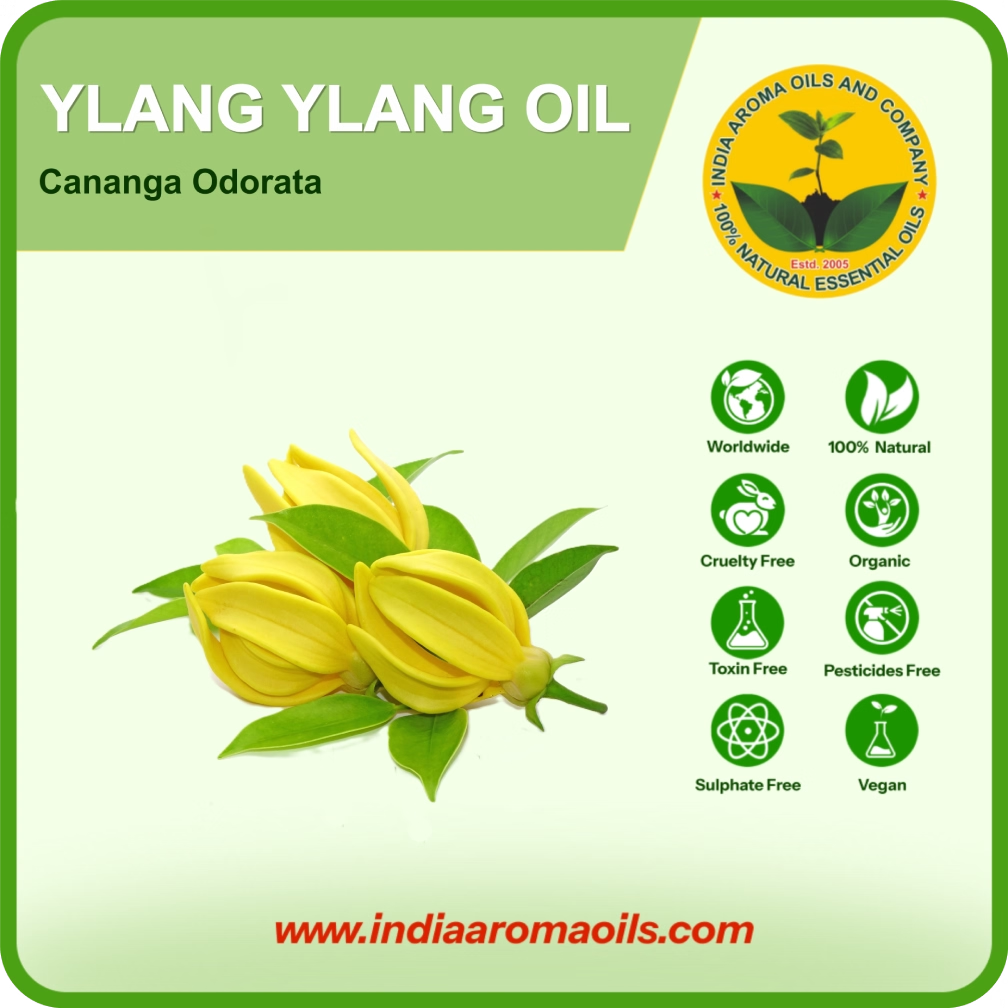
Also known as Flower Of Flowers, Ylang Ylang is a tall tropical tree about 20 meters (60 feet) high with large fragrant, pink, mauve or yellow flowers; yellow heads are viewed as being the best in terms of quality.
CONSTITUENTS:
Farnesol, Linalol, Geraniol, Benzyl Acetate, Geranial, Geranyl Acetate, Methyl Chavicol, Eugenol, Pinene Beta-Caryophyllene, Farnasene.
AROMATIC SUMMARY / NOTE / STRENGTH OF AROMA:
A base note with a medium aroma, Ylang Ylang has a sweet, exotic, floral scent that is one of the most sought-after.
BLENDS WITH:
Bergamot, lavender, grapefruit, sandalwood.
COMMON NAMES:
Ylang Ylang Therapeutic Grade Oil.
USES:
This oil offered has a euphoric & sedative effect on nervous system and helps in areas like tension, anxiety, shock, panic and fear. Its aphrodisiac qualities also make it useful for treating cases of impotence and frigidity.
THERAPEUTIC PROPERTIES:
This Oil recommended due to its various therapeutic properties which include – analgesic, expectorant, tonic, antiseptic and as a stimulating agent.
Authentic Therapeutic Quality
Ylang Ylang Oil is derived from premium, handpicked Cananga odorata flowers. Processed via steam distillation, it retains all natural therapeutic compounds without synthetic additives. Its rich, sweet-floral scent offers an authentic experience ideal for aromatherapy.
Versatile Applications
This oil is a valued choice for aromatherapy, perfumery, and personal care. Its solubility in alcohol and oils makes it suitable for hair and skin treatments, massages, as well as a calming component in room diffusers.
Safe and Pure Formulation
With a strict focus on purity, this oil is 100% natural and paraben-free. For topical use, it should be diluted and a patch test is recommended. Its packaging in amber glass bottle protects the potency and extends its shelf life.
FAQs of Ylang Ylang Therapeutic Grade Oil:
Q: How should Ylang Ylang Therapeutic Grade Oil be used safely?
A: It is important to dilute Ylang Ylang oil with a carrier oil before applying to the skin. For aromatherapy, a few drops in a diffuser are sufficient. Always perform a patch test before topical use and keep the oil away from children.
Q: What are the main benefits of using this Ylang Ylang oil?
A: This oil provides calming, relaxing, and mood-enhancing effects in aromatherapy. It also helps nourish skin and hair, leaving them softer and more radiant. The oil is natural, paraben-free, and contains no synthetic additives.
Q: When is the best time to use Ylang Ylang oil for aromatherapy?
A: Ylang Ylang is especially effective during periods of stress or tension. It can be used anytime you seek relaxation or to create a soothing environment, whether during meditation, before bedtime, or in massage therapy sessions.
Q: Where is this Ylang Ylang oil sourced and manufactured?
A: The oil is extracted from fresh Ylang Ylang flowers sourced and processed in India. It is manufactured by trusted suppliers to ensure purity and therapeutic quality.
Q: What is the extraction process for this essential oil?
A: Ylang Ylang oil is obtained through a steam distillation process, which preserves the delicate aromatic compounds and ensures a high level of purity.
Q: Can I blend Ylang Ylang oil with other essential oils?
A: Yes, Ylang Ylang blends particularly well with oils like bergamot, grapefruit, lavender, and sandalwood, allowing for a customized aromatic experience.