






Description
DESCRIPTION:
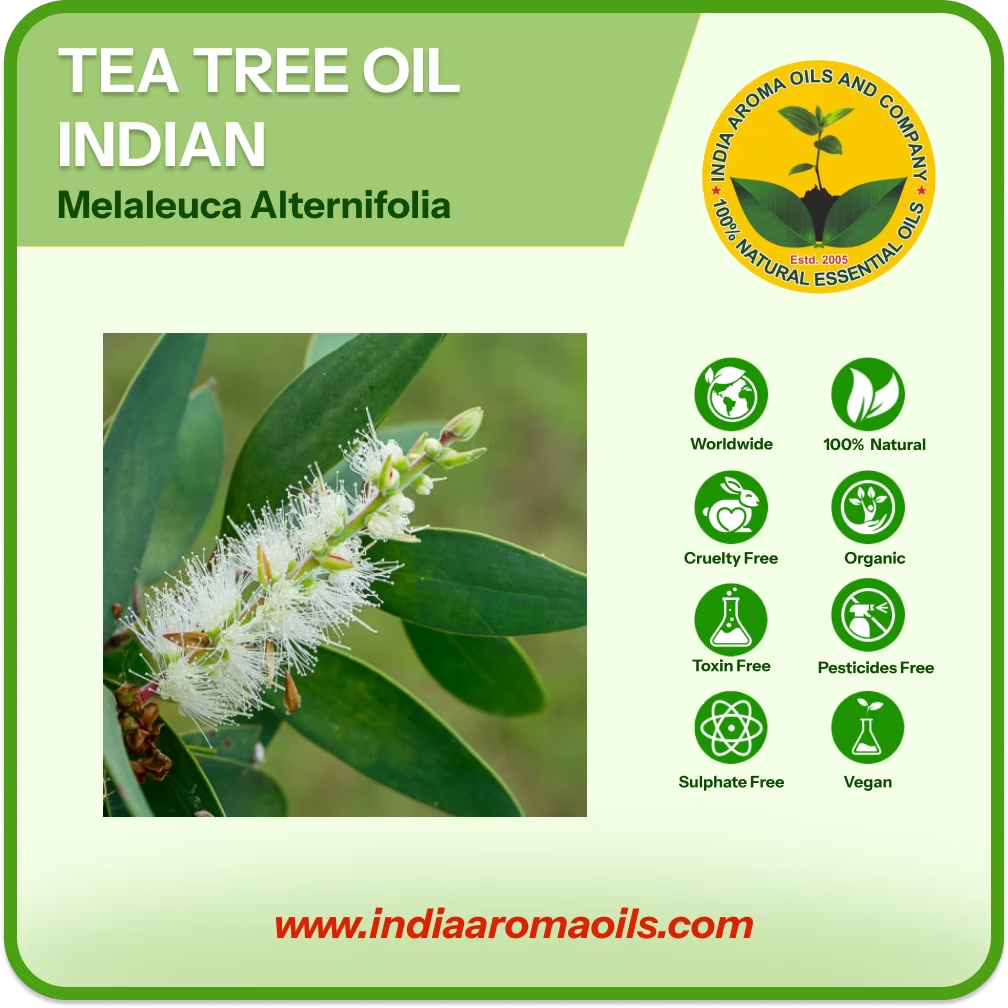
Tea Tree Oil is derived from Melaleuca alternifolia tree or shrub that belongs to Myrtaceae species of trees. This oil is considered as one of the most beneficial essential oils for its high therapeutic attributes. This steam distilled oil is obtained from twigs and leaves of tea tree shrub. This oil has mild, long lasting and spicy smell.
CONSTITUENTS:
Alpha-Pinene, Alpha-Terpinene, Paracymene, γ-Terpinene , 1,8-Cineole, Terpinen-4-ol, Alpha-Terpineol
AROMATIC SUMMARY / NOTE / STRENGTH OF AROMA:
Middle note gentle fragrance of tea tree oil has refreshing effect on mind. To be specific, its smell resembles to the combined scent of camphor extracted oil with a slight touch of woody and herbal aroma.
BLENDS WITH:
Tea Tree Oil can be mixed with other essential oils like lavender, clove, rosewood, rosemary, myrrh, clary sage, cinnamon, thyme, nutmeg, lemon and geranium oils.
COMMON NAMES:
Tea Tree oil is commonly also referred as Tea Tree Essential oil.
USES:
This essential oil is considered as a boon to health care arena. Known for its unique medicinal attributes, Tea Tree Oil is effective in boosting immunity function; in curing all sorts of infections caused by viral, fungal and bacterial attack and in healing glandular fever, catarrh and influenza. Moreover, this oil provides relief from post operative trauma and many other diseases.
Steam Distilled for Pure Potency
Our Tea Tree Oil undergoes steam distillation from Melaleuca alternifolia leaves, guaranteeing a 99% pure, unadulterated essential oil. This process retains the integrity of major constituents such as terpinen-4-ol, gamma-terpinene, and alpha-terpinene, delivering maximum therapeutic benefits for personal care and wellness.
Versatile Applications Across Personal Care
This oil is suitable for a range of uses, including aromatherapy, skincare, and hair care. Its commonly incorporated in home remedies for minor skin concerns, in hair tonics, and in diffuser blends. Its potent antibacterial and antifungal properties make it a valuable addition to hygiene products for adults.
Proper Storage and Safe Handling
To preserve quality, Tea Tree Oil should be stored in airtight containers away from direct sunlight, in a cool, dry location. With a two-year shelf life, following storage recommendations is essential. The oil is for external use only and should not come in contact with eyes or mucous membranes.
FAQs of Tea Tree Oil:
Q: How is Tea Tree Oil extracted and what ensures its purity?
A: Tea Tree Oil is steam distilled from the leaves of Melaleuca alternifolia. This extraction method maintains the oils natural constituents, resulting in a high level of purity (99%) and efficacy for various personal care uses.
Q: What are the key benefits of using Tea Tree Oil in daily care routines?
A: Tea Tree Oil offers potent antibacterial, antifungal, and antiseptic benefits. It is commonly used to soothe minor skin irritations, support healthy scalp conditions, and provide a refreshing aroma in aromatherapy practices.
Q: When should Tea Tree Oil be applied and are there any precautions?
A: Tea Tree Oil is suitable for adult use in personal care routines involving skin, hair, or aromatherapy. It should only be applied externally and never to the eyes or mucous membranes. Always perform a patch test before widespread use.
Q: Where should Tea Tree Oil be stored for optimal longevity and efficacy?
A: To maintain the oils quality, store it in an airtight container, preferably in a cool, dry place away from direct sunlight. Proper storage helps retain its freshness and potency for up to two years.
Q: What is the recommended packaging for Tea Tree Oil?
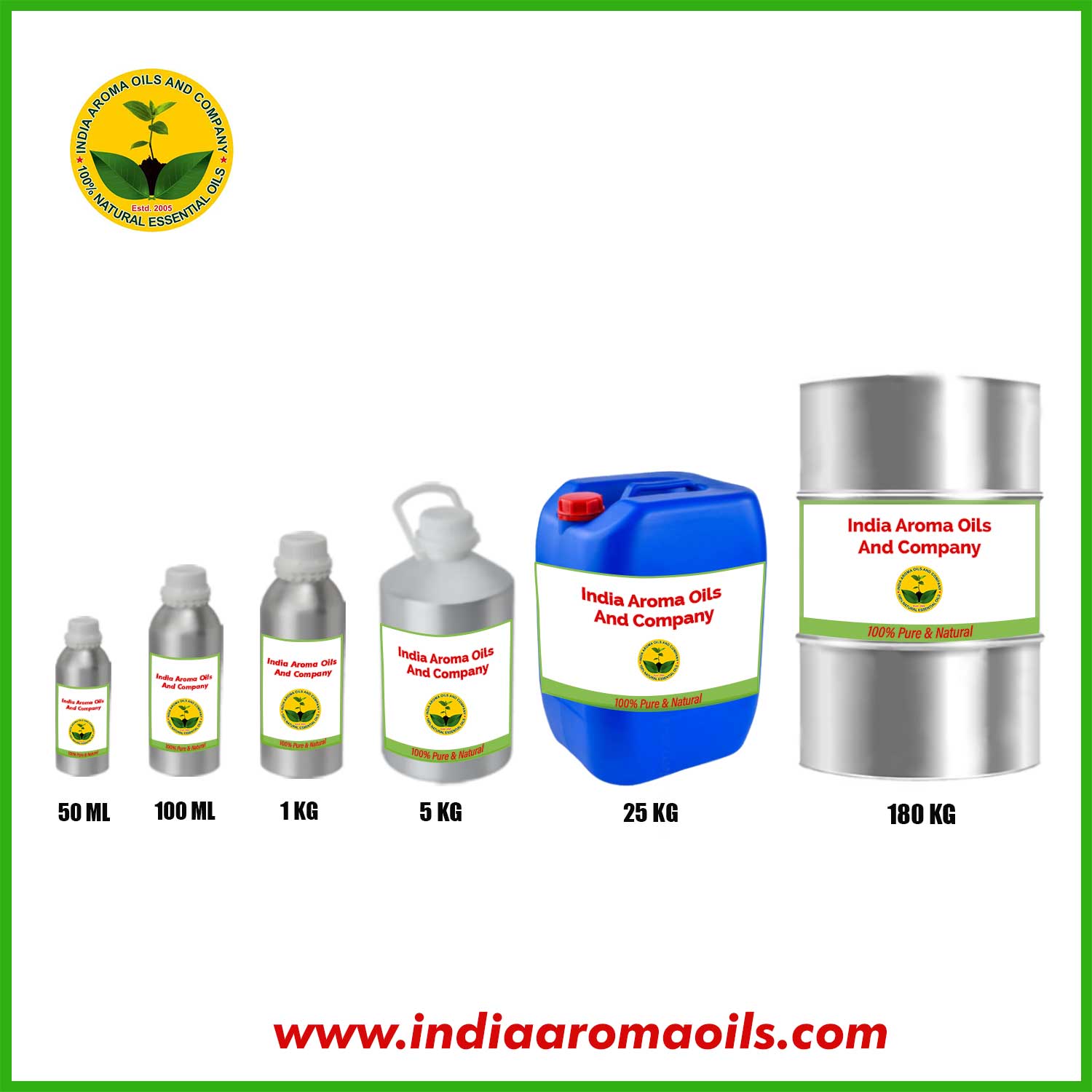
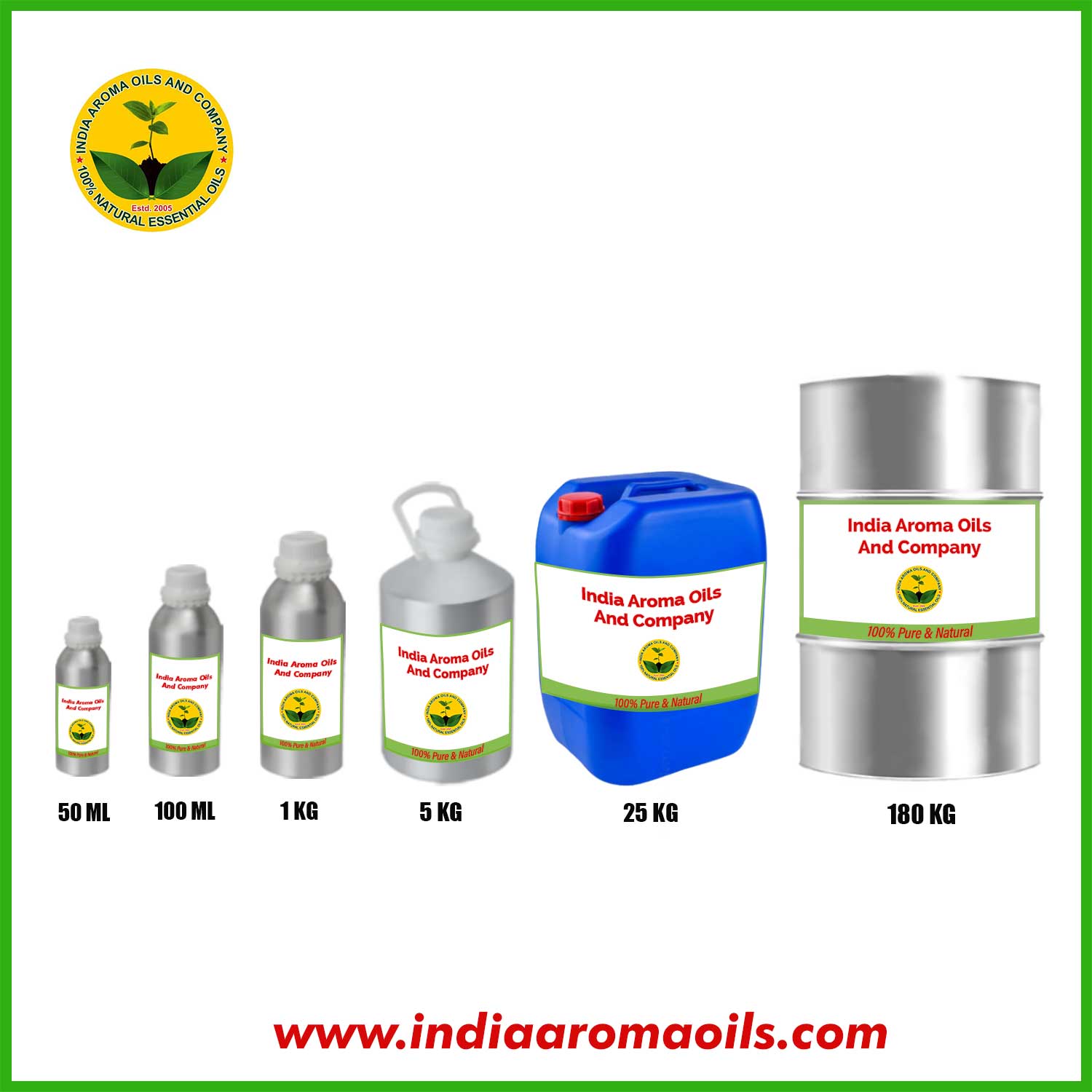
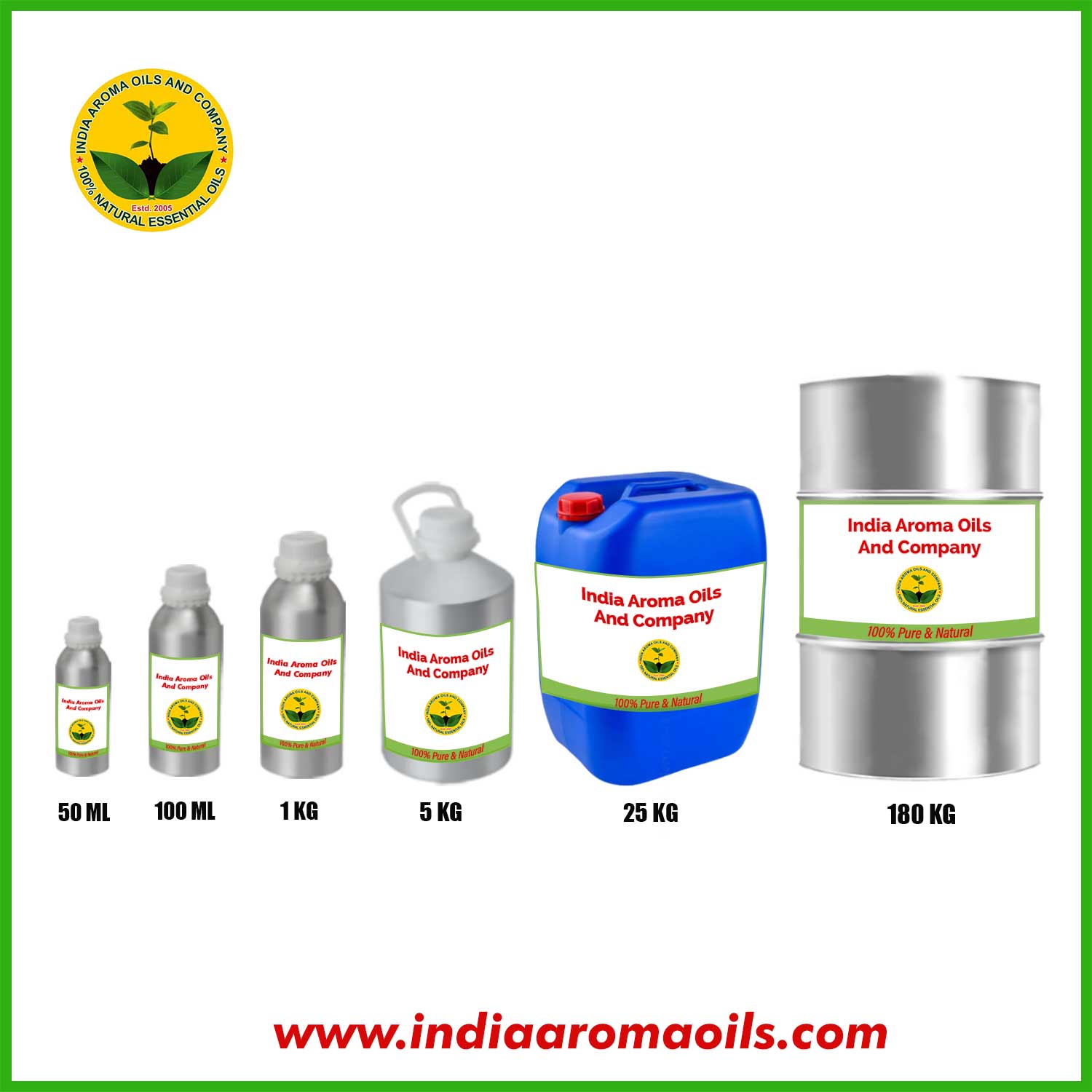
A: Tea Tree Oil is available in sealed bottles or HDPE drums, ensuring it remains uncontaminated and stable during storage and transportation.
Q: How can Tea Tree Oil be used in aromatherapy and skin care?
A: For aromatherapy, add a few drops to a diffuser for a refreshing, medicinal aroma. For skin care, dilute with carrier oils before applying to the skin, or mix into personal care products to enhance their antibacterial qualities.