Description
DESCRIPTION:
Used in some carminative and digestive remedies, such as ‘gripe waters’.It is used in soaps, detergents, colognes, cosmetics and perfumes, especially men’s fragrances. It is also found in meats, pickles, and sauces.
CONSTITUENTS:
iron, riboflavin, Apiol, myristicin, pinene, potassium, thiamine, vitamin A, vitamin C.
AROMATIC SUMMARY / NOTE / STRENGTH OF AROMA:
A middle note with a medium aroma, Parsley Seed Essential Oil does not smell at all like the culinary herb; it has a sweet, warm spicy scent that is herbaceous.
BLENDS WITH:
Cananga, clary sage, neroli, oakmoss, rose, tea tree, and spice oils.
COMMON NAMES:
Curly Parsley; Flat-leaved Parsley; Parsley.
USES:
Accumulation of toxins, aids in child birthing, amenorrhea, arthritis, broken blood vessels, cellulite, colic, cystitis, dysmenorrhea, flatulence, hemorrhoids, indigestion, rheumatism, sciatica, and urinary infection.
Pure and Potent Botanical Oil
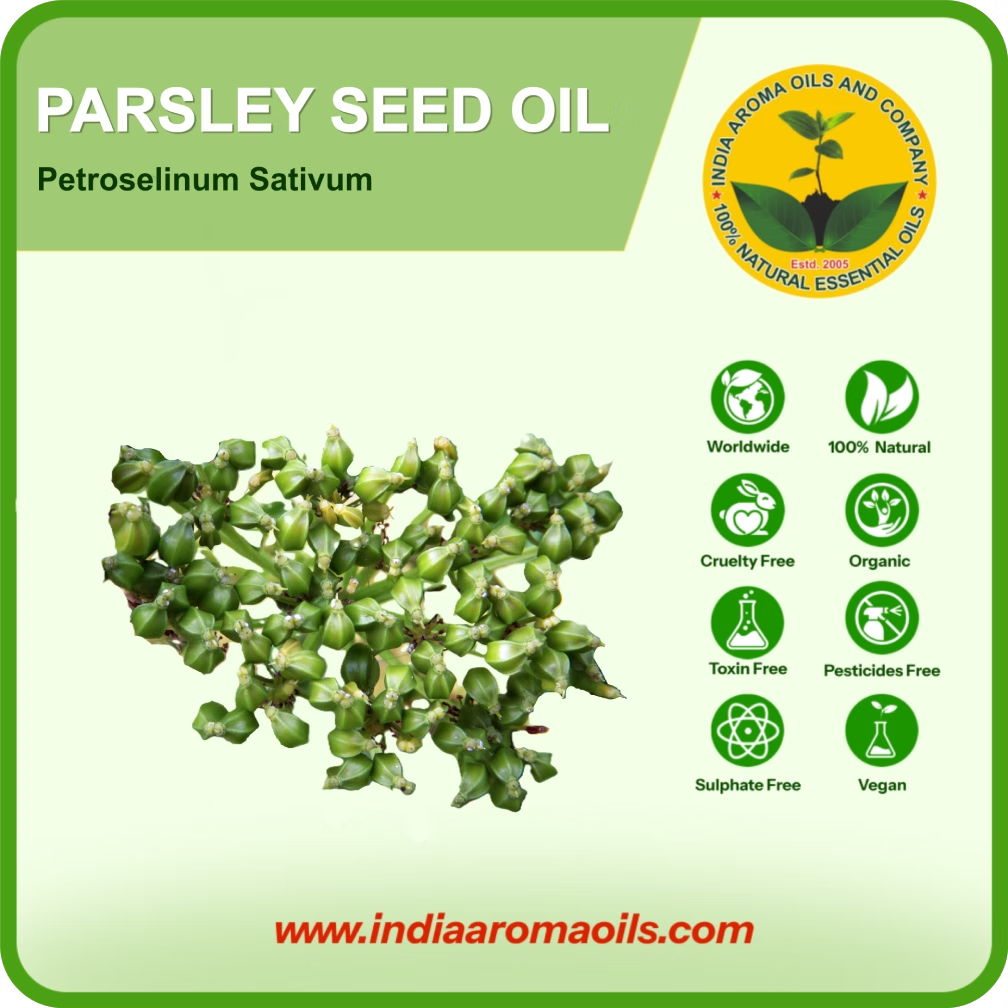
Sourced from premium parsley seeds and extracted by steam distillation, this Parsley Seed Oil ensures optimal purity and effectiveness. Its characteristic aromatic scent and pale yellow hue make it a preferred choice for professional aromatherapists and cosmetic practitioners alike. With a focus on superior quality, it contains no additives, providing only the natural goodness inherent in each drop.
Diverse Applications for Wellness and Beauty
Ideal for use in aromatherapy, massage, and cosmetic formulations, this oil delivers notable benefits for mind and body relaxation. Soluble in alcohol and oils, it blends effortlessly into various carriers, enhancing both therapeutic and sensory experiences. The light texture and aromatic profile also render it suitable for diverse product creations, catering to holistic wellness needs.
FAQs of Parsley Seed Oil:
Q: How is Parsley Seed Oil extracted from the raw material?
A: Parsley Seed Oil is extracted using a steam distillation process, which carefully separates the essential oil from the seeds of Petroselinum sativum, ensuring purity and preservation of its therapeutic properties.
Q: What are the recommended uses for Parsley Seed Oil?
A: This oil is commonly used in aromatherapy sessions, massage blends, and cosmetic products due to its rejuvenating scent and beneficial constituents. It may also be incorporated into topical applications, provided it is diluted appropriately.
Q: Where should I store Parsley Seed Oil to maximize its shelf life?
A: Store your Parsley Seed Oil in a cool, dry place, away from direct sunlight and heat, to maintain its quality and potency for up to two years.
Q: When does Parsley Seed Oil expire, and how can I tell if its still good?
A: Parsley Seed Oil has a shelf life of two years when stored correctly. Check for any noticeable changes in aroma, color, or consistency as signs of degradation.
Q: What are the primary benefits of using Parsley Seed Oil in wellness routines?
A: This oil is valued for its calming, soothing, and rejuvenating properties, making it beneficial in promoting relaxation during aromatherapy and massages. It may also support healthy skin when included in cosmetic preparations.
Q: Is Parsley Seed Oil suitable for all age groups and genders?
A: The product is designed for use by adults of any gender. It is not recommended for children without professional guidance due to its potency and concentrated nature.