






Description
DESCRIPTION:
Olibanum Oil is derived from the sticky organic substance (resin) of Olibanum that has ample amount of leaves with pointed shape and light pink or white flowers. Also referred as frankincense tree, olibanum tree was originally found in Middle East region. This milky white colored fluid (resin) oozes from the trunk part of this tree. The obtained resin goes through distillation process to extract this oil.
CONSTITUENTS:
Alpha-Thujene, Alpha-Pinene, Sabinene, Beta-Myrcene, Alpha-Phellandrene, D-Limonene
The oil of Boswellia serrate (botanical name of Olibanum tree) has base to medium fragrance which is similar to the smell of wood and spice extracted oils. The worm smell of this essential oil lasts for longer period, although this aroma is more gentle than Somalian frankincense oil.
BLENDS WITH:
This aromatic oil is suitable to be mixed with various other essential oils like Cinnamon, Cardamom, Ginger, Geranium, Bergamot, Basil, Coriander, Vanilla, Chamomile, Clary Sage, Myrrh and Cedar wood.
COMMON NAMES:
Olibanum oil is commonly referred as Frankincense oil.
USES:
Olibanum Oil is acknowledged for its unique medicinal properties. This oil possesses diuretic, digestive, astringent, sedative, carminative, stimulating and antiseptic attributes.
Therapeutic and Aromatic Applications
Olibanum Oil serves as a versatile ingredient in various domains including aromatherapy, perfumery, cosmetics, and traditional remedies. Its calming and anti-inflammatory benefits make it a popular choice for meditation practices and skincare solutions. With its distinctive, balsamic fragrance, Olibanum Oil adds a natural, harmonious note to any formulation.
Quality and Purity Assurance
Manufactured in India, this oil is produced using pure Olibanum resin and processed through steam distillation, ensuring a 100% natural and therapeutic-grade product. It is clear to pale yellow in color, has a density of 0.910 g/cm, and is supplied in tightly sealed containers to maintain its integrity over a 3-year shelf life.
Safe Storage and Usage
For maximum effectiveness and longevity, Olibanum Oil should be stored in cool, dry conditions, away from sunlight and in tightly sealed bottles. Its solubility in alcohol and oils but not in water allows for varied uses in formulations. Suitable for all age groups, this oil offers unisex benefits and is ideal for manufacturers, retailers, suppliers, and wholesalers alike.
FAQs of Olibanum Oil:
Q: How should Olibanum Oil be stored to maintain its quality?
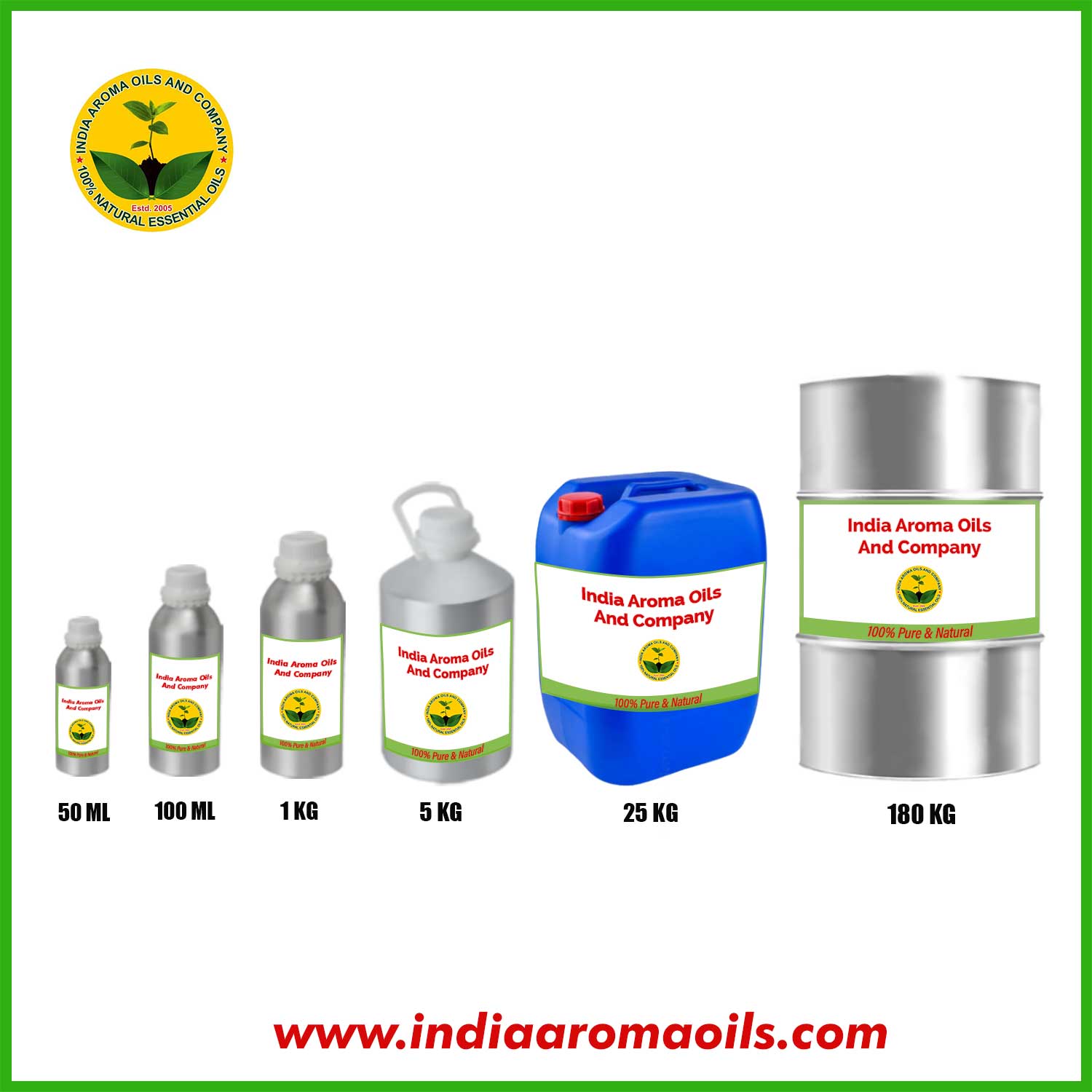
A: Olibanum Oil should be kept in tightly sealed aluminum bottles or HDPE cans, stored in a cool, dry place away from direct sunlight. This helps preserve its freshness and therapeutic properties throughout its 3-year shelf life.
Q: What is the process used to extract Olibanum Oil?
A: Olibanum Oil is extracted from Boswellia carterii resin using the steam distillation method. This process ensures that the oil retains its purity, characteristic aroma, and therapeutic qualities.
Q: When is Olibanum Oil typically used in daily routines?
A: Olibanum Oil can be incorporated into daily routines through aromatherapy for relaxation, in skincare products for its anti-inflammatory effects, or in meditation practices for its calming fragrance. Its versatile application also extends to perfumery and traditional natural remedies.
Q: Where does the primary raw material for Olibanum Oil come from?
A: The primary raw material, Olibanum resin, is sourced from the Boswellia carterii plant. The oil is then manufactured, processed, and supplied in India, ensuring high quality and authenticity.
Q: What are the main benefits of using Olibanum Oil in aromatherapy and cosmetics?
A: Olibanum Oil offers calming, anti-inflammatory, and balancing benefits, making it an excellent addition to aromatherapy sessions, meditation, and a range of cosmetic products. Its pleasant balsamic scent also enhances sensory experiences.
Q: How is Olibanum Oil used in formulations given its solubility properties?
A: Since Olibanum Oil is insoluble in water but soluble in alcohol and oils, it can be blended into oil-based cosmetics, serums, perfumes, and massage oils for maximum efficacy and absorption.