






Description
DESCRIPTION:
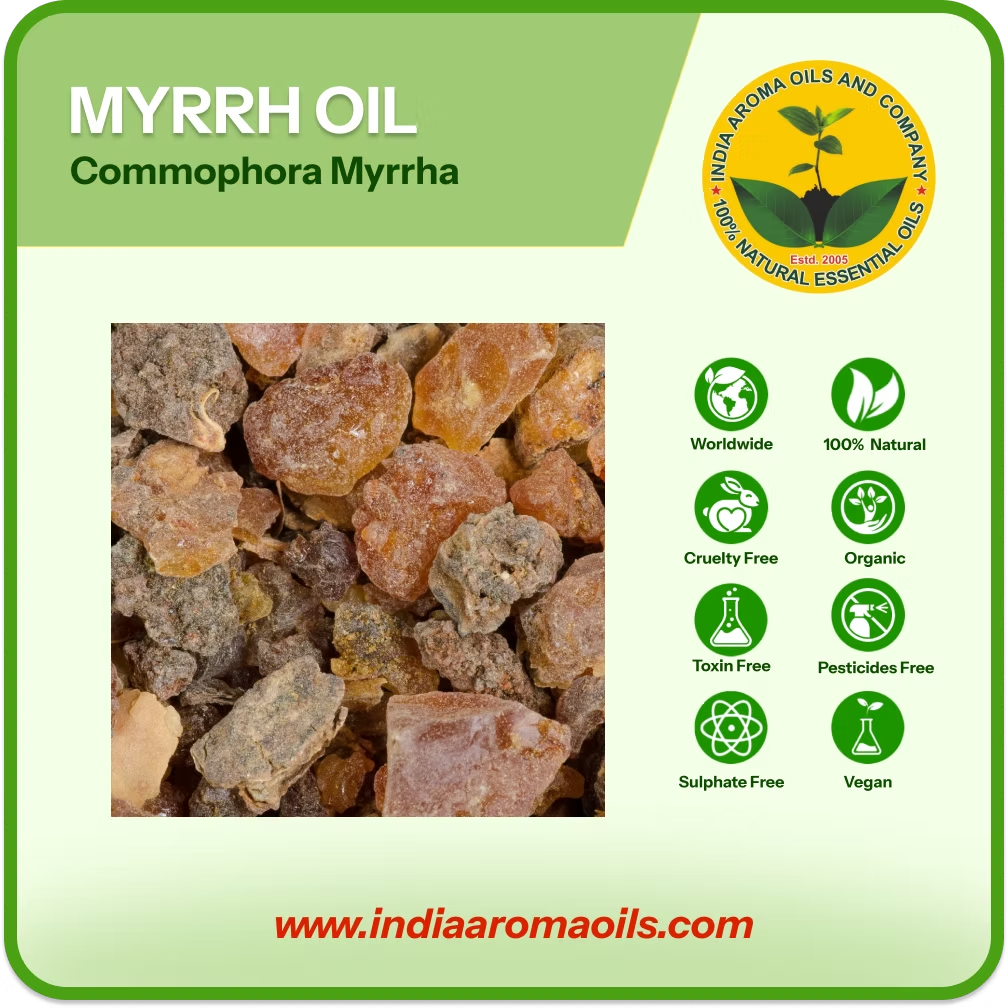
Light toned Myrrh Oil has powerful and long lasting smell. This oil is used as an important ingredient to formulate body care and skin care products. The color of myrrh oil is lighter, when compared to the color of resinoid. This oil is used to treat health complications associated with gums, bronchitis, oily skin, hemorrhoids, skin itching, halitosis and dysmenorrheal. This scented oil is widely used to produce oral care items.
CONSTITUENTS:
Myrrh oil is enriched with compounds like Acetic acid, a-pinene, Formic acid, monoterpene, Limonene, Eugenol m-cresol, a-pinene, Cadinene, Heerabolene, Cuminaldehyde, different sorts of acids and various derivatives of sesquiterpene.
AROMATIC SUMMARY / NOTE / STRENGTH OF AROMA:
The middle note fragrance of this oil has intense and warm smell that resembles to the aroma of balsam and spice extracted oils.
BLENDS WITH:
Myrrh oil is compatible with essential oils of allspice, algae absolute, amber carbinol, acetophenone and alcohol.
COMMON NAMES:
Myrrh oil is also referred as Myrrh Essential oil.
USES:
Myrrh Essential Oil was used as effective preservative during mummification and as pest controlling element in Ancient Egypt. For several centuries, this oil is used to produce perfumes and incenses.