Description
DESCRIPTION:
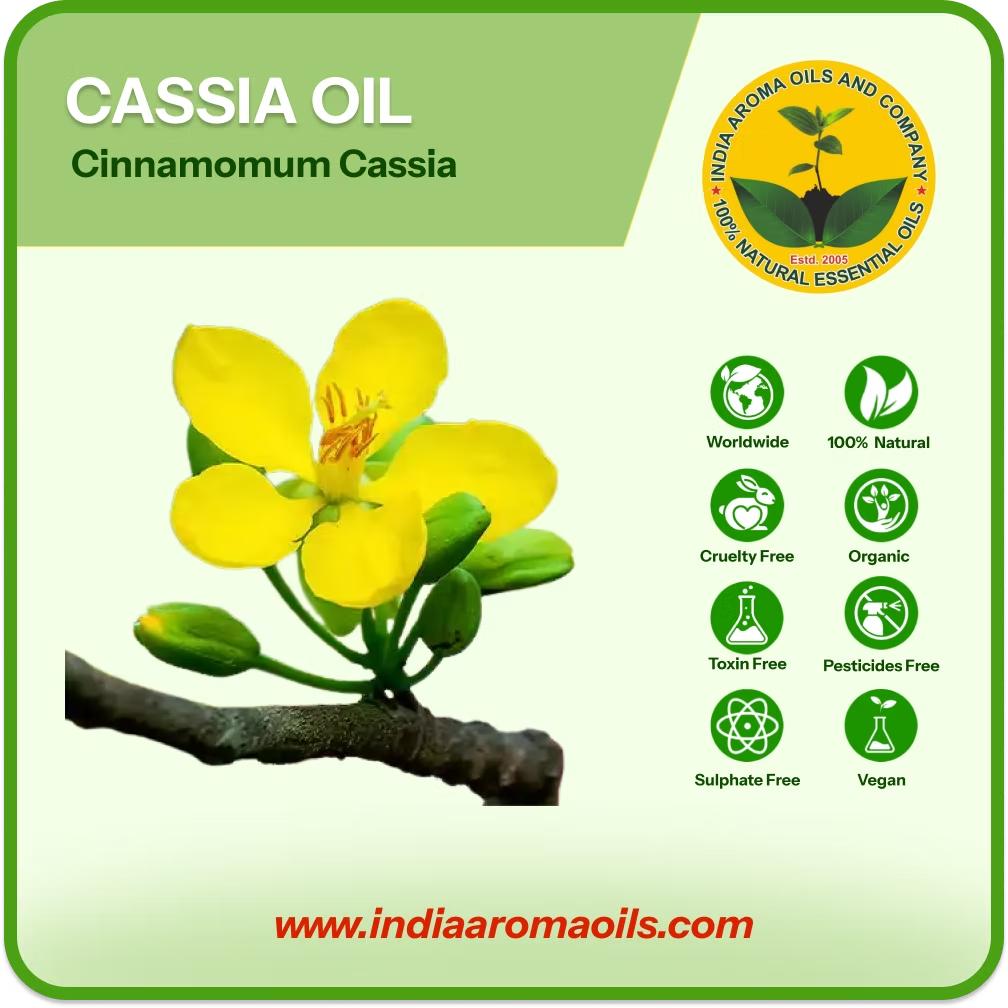
Cassia Oil is obtained from the leaves of Cinnamomum Cassia by steam distillation method. This oil is preferred over Cylon grade oils in terms of its easy availability and cost effectiveness. The beneficial value of this essential oil depends on the quantity of its cinnamic aldehyde content.
CONSTITUENTS:
Cassia essential oil contains Cinnamic aldehyde.
AROMATIC SUMMARY / NOTE / STRENGTH OF AROMA:
This volatile oil is known for its strong, long lasting and warm smell. The top note aroma of this oil resembles to the smell of spice extracted oils.
BLENDS WITH:
Cassia Oil mixes well with other essential oils of ginger, chamomile, balsam peru, coriander, caraway, frankincense, rosemary, citrus oils, black pepper, Geranium, spice oils and nutmeg oil.
COMMON NAMES:
This fragrant essential oil is also referred as Cinnamon Cassia Oil.
USES:
The spicy and warm smell of Cassia Oil has stimulating effect on both mind and body. The sweet smell of this oil helps to relieve headache, soothes nerve and reduces irritation, decreases pain and tiredness. This oil also possesses aphrodisiac attributes. This essential oil is a wonderful remedy for joint pain, menstrual cramps and stiff muscle condition. Besides treating digestive complications, this oil is instrumental in improving blood circulation level. Moreover, it is used as flavoring agent and as spice in food processing industry.