







Description
DESCRIPTION:
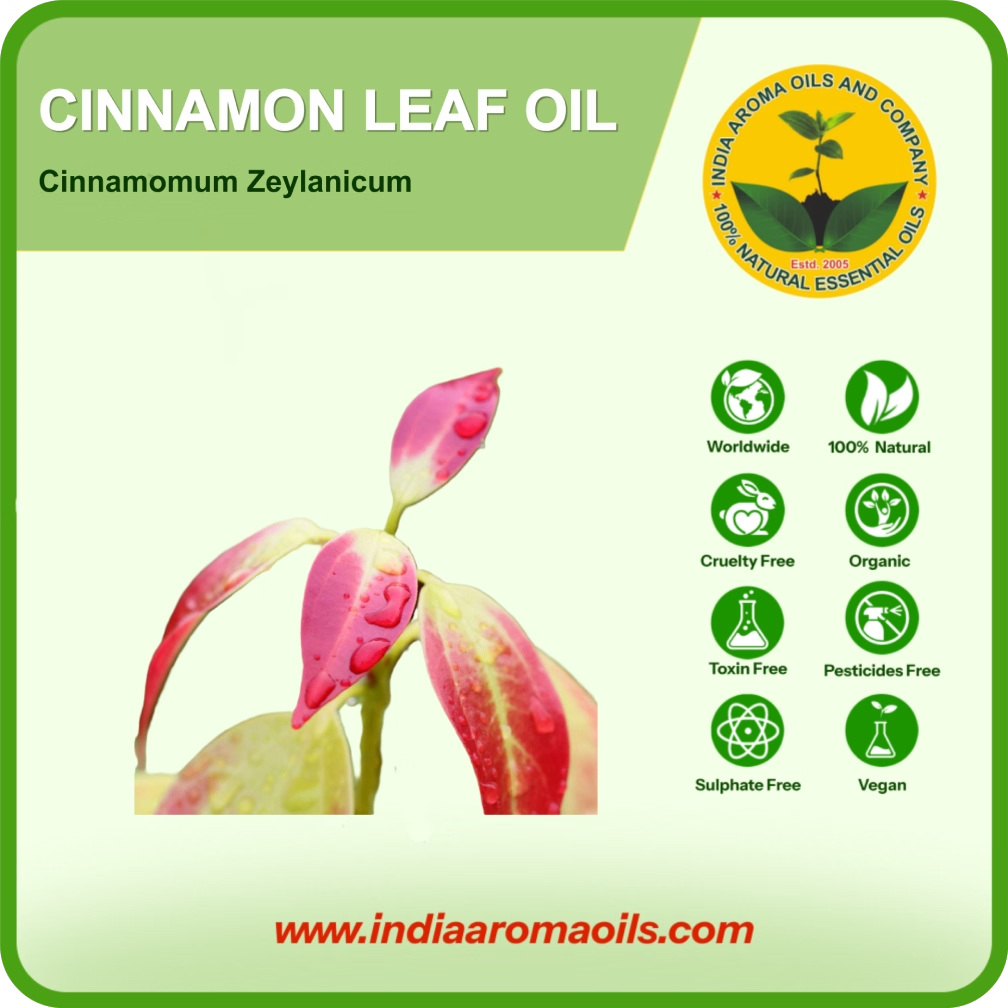
Known by the botanical name Cinnamomum verum, Cinamon Leaf oil is extracted from the leaf part of the plant. Extracted through steam distillation method, the extract is Golden Brown in color and can be blended well with any oil from the citrus family.
CONSTITUENTS:
Eugenol, cinnamaldehyde, benzyl benzoate, linalol, Alpha Pinene, Alpha-Phellandrene.
AROMATIC SUMMARY / NOTE / STRENGTH OF AROMA:
A middle note of medium aroma, it has a warm, spicy scent between that of clove and cinnamon, but with herbaceous notes that are not sweet. Customers seeking the smell of the cinnamon spice should purchase Cinnamon Bark.
BLENDS WITH:
Spice oils (particularly clove), & Lavender, Rosemary, Thyme.
COMMON NAMES:
Elaichi
USES:
This oil works as a stimulant, antiseptic (as with cinnamon bark), and as antibiotic. Further, it also has astringent, carminative, emmenagogue and natural insecticide and antispasmodic properties.
THERAPEUTIC PROPERTIES:
This Oil recommended due to its various therapeutic properties which include – analgesic, expectorant, tonic, antiseptic and as a stimulating agent.
Pure and Potent Botanical Extraction
This Cinnamon Leaf Oil is produced through steam distillation of Cinnamomum verum leaves, ensuring maximum purity and efficacy. The extraction process preserves its natural constituents without additives, making it ideal for various wellness and aromatherapy applications.
Versatile Uses and Benefits
Cinnamon Leaf Therapeutic Grade Oil offers a wide array of benefits, from elevating the mood in aromatherapy to providing soothing effects during massage. Its strong, spicy aroma is also favored in perfumery, and it can be safely used in diffusers to enhance indoor environments.
Safe Storage and Longevity
To maintain the quality of this oil, store it in a cool, dry place, away from direct sunlight. The provided shelf life is 24 months, ensuring that users can enjoy its full therapeutic benefits over an extended period if stored correctly.
FAQs of Cinnamon Leaf Therapeutic Grade Oil:
Q: How should I use Cinnamon Leaf Therapeutic Grade Oil for aromatherapy?
A: For aromatherapy, add a few drops of this oil to your diffuser. Its strong, spicy, and warm scent creates an inviting and uplifting atmosphere, suitable for relaxation or focus.
Q: What are the main benefits of using this cinnamon leaf oil?
A: Cinnamon Leaf Oil offers natural therapeutic properties, including mood elevation and soothing effects. It may also support relaxation during massage or when used in a diffuser.
Q: When is the best time to apply Cinnamon Leaf Oil during massage?
A: This therapeutic grade oil can be used during massage sessions at any time, provided it is diluted with a suitable carrier oil for optimal skin compatibility and effectiveness.
Q: Where should I store the oil to maintain its quality?
A: To preserve its potency, store the oil in a cool, dry place away from direct sunlight. Proper storage helps maintain its aroma, color, and therapeutic properties for up to 24 months.
Q: What is the process used to extract this oil?
A: Cinnamon Leaf Oil is obtained through the steam distillation of dry leaves from Cinnamomum verum, which preserves its natural and potent aromatic compounds.
Q: Is this oil suitable for use in perfumery, and what makes it unique?
A: Yes, its distinctive warm, spicy fragrance and high eugenol content make it a popular choice in natural perfumery, providing a rich, complex note to blends.