





Description
DESCRIPTION:
These are evergreen shrubs in the genus Myrtus that are native to the Mediterranean and the Middle East. These are also cultivated in southern England and the warmer portions of North America. This Wildcrafted Oil of myrtle finds wide application in various aromatherapy treatments.
CONSTITUENTS:
It has a-terpinene, linalool, terpinen-4-ol and others components.
BLENDS WITH:
This Wildcrafted Oil can mix with ylang ylang,geranium, jasmine,
COMMON NAMES:
Myrtaceae
USES:
This Wildcrafted Oil is extensively used in aromatherapy treatments such as asthma, coughs and sore throat.
Natural Therapeutic Benefits
Wildcrafted Myrtle Oil is valued for its calming and clarifying properties, thanks to its rich blend of 1,8 Cineole, Linalool, and -Pinene. Often used in aromatherapy and cosmetics, it helps rejuvenate the senses and promote relaxation, making it a preferred choice for holistic wellness.
Expert Extraction Process
This oil is meticulously steam distilled from high-quality myrtle leaves, preserving its natural essence and ensuring optimal therapeutic qualities. The result is a clear pale yellow liquid with a distinct, pleasant aroma, ideal for various personal care uses.
Safe and Convenient Packaging
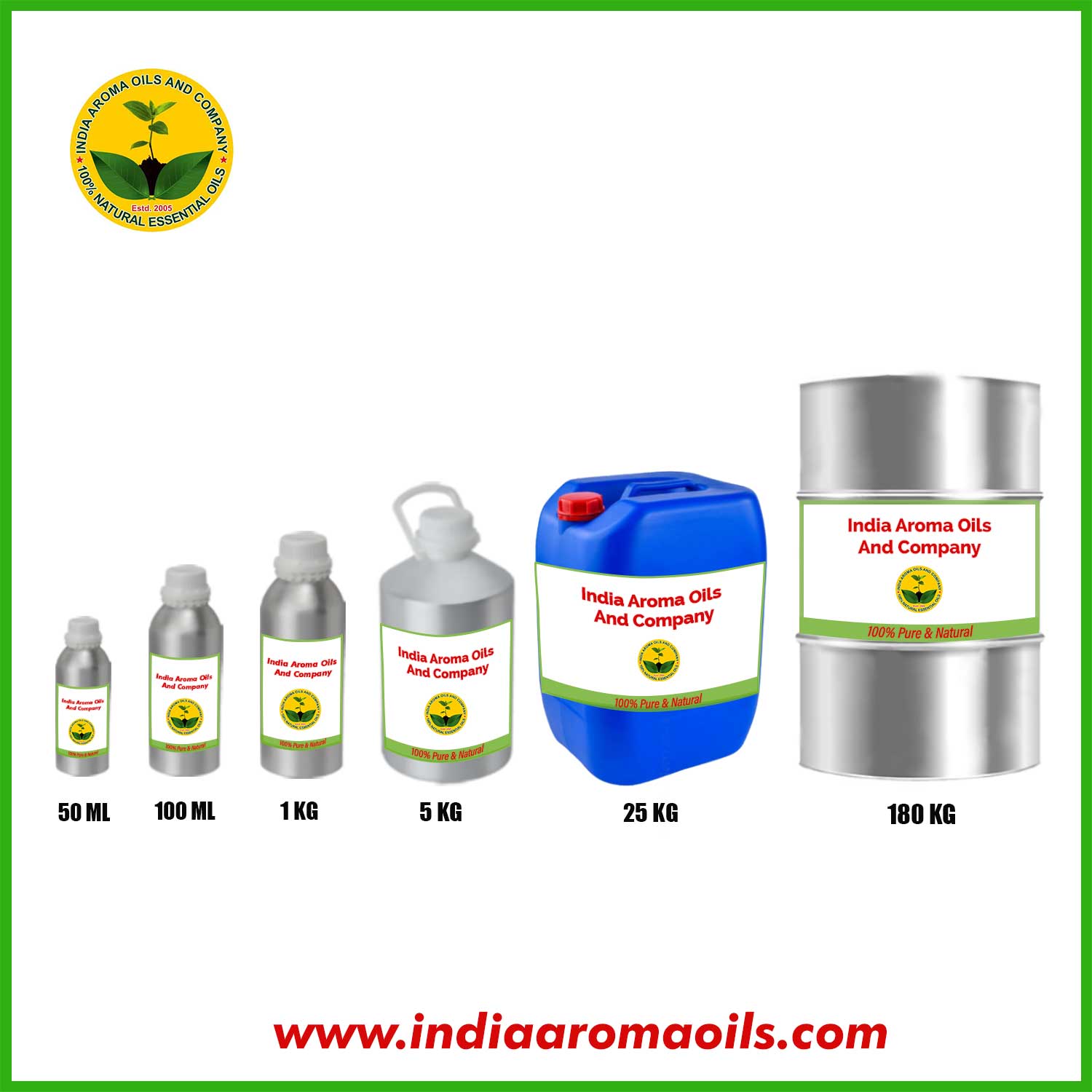
Packaged in aluminium and amber glass bottles, Wildcrafted Myrtle Oil maintains its freshness, potency, and purity. Proper storage in a tightly closed container, in a cool and dry environment, assures a shelf life of up to two years.
FAQs of Wildcrafted Myrtle Oil:
Q: How should Wildcrafted Myrtle Oil be used safely?
A: Wildcrafted Myrtle Oil should be used externally only. Apply a diluted amount to skin or use it in a diffuser for aromatherapy. Avoid contact with eyes and keep away from children.
Q: What is the most effective way to store Myrtle Oil?
A: Store Myrtle Oil in tightly closed aluminium or amber glass bottles, placed in a cool, dry area away from direct sunlight to preserve its quality and extend its shelf life.
Q: When is the best time to use Myrtle Oil in wellness routines?
A: You can incorporate Myrtle Oil into morning or evening routines for aromatherapy, or as part of skincare and perfumery applications whenever a calming, pleasant aroma is desired.
Q: Where is Wildcrafted Myrtle Oil sourced and manufactured?
A: This Myrtle Oil is wildcrafted, extracted, and packaged in India by reputable manufacturers, suppliers, and wholesalers, ensuring high standards of purity and quality.
Q: What benefits does Myrtle Oil provide?
A: Myrtle Oil offers therapeutic benefits such as relaxation, skin soothing, and a refreshing aroma. Its non-toxic, pure composition makes it suitable for adults seeking natural wellness solutions.
Q: What is the extraction process for this Myrtle Oil?
A: The oil is extracted through steam distillation from fresh myrtle leaves. This process preserves the integrity of its main components and delivers a high-purity, potent oil.
Q: Can Myrtle Oil be mixed with other substances?
A: Myrtle Oil is soluble in alcohol and oils, making it easy to blend with other carrier oils or cosmetic ingredients. However, it is insoluble in water.