






Description
DESCRIPTION:
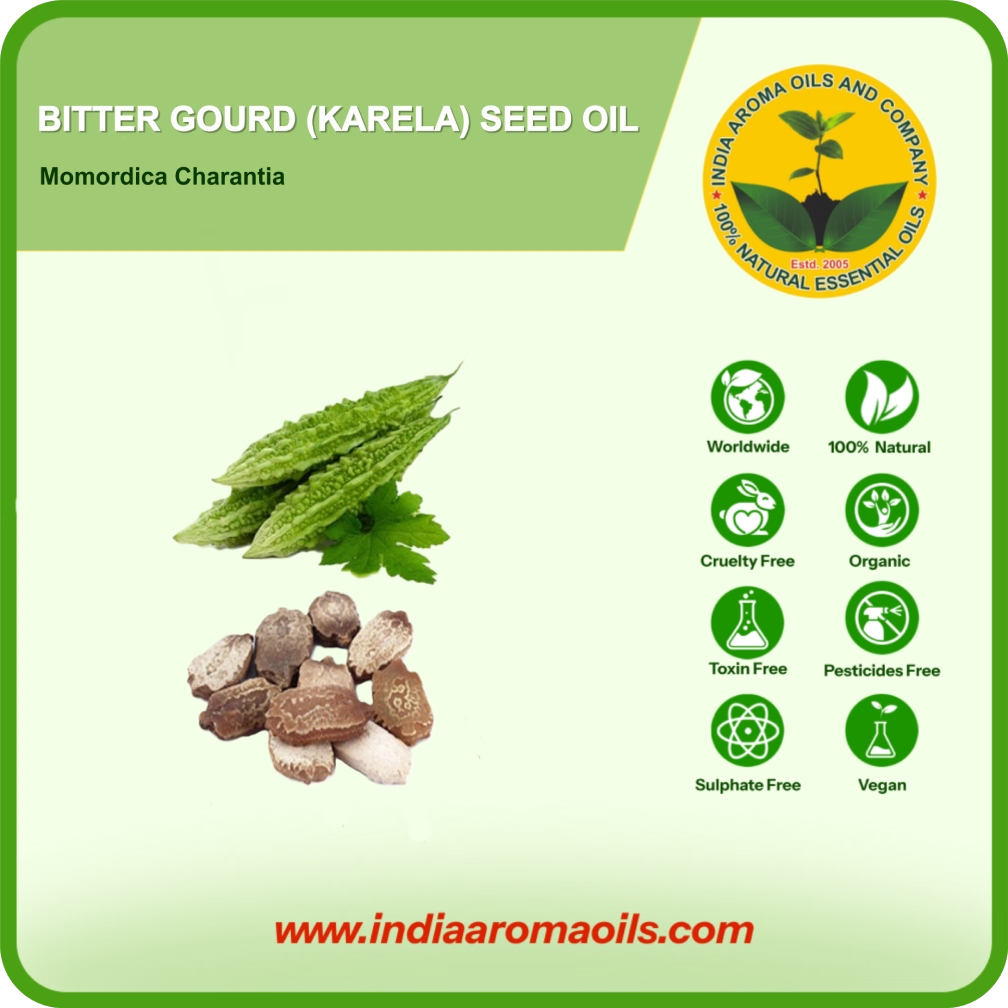
Bitter gourd has high content of phosphorus and possesses a bitter taste. It is useful for diabetic people. Bitter gourd oil is extracted by cold pressed method. Its major constituents are conjugated linoleic acid.
COMMON NAMES:
Karela, goya, bitter melon, bitter squash, balsam pear, bitter apple, Melao de sao caetano, papailla.
USES:
It is used as a treatment for atherosclerosis, liver problems and diabetes.
It is used to treat diabetes, promote menstruation, expel intestinal gas &fever .
It is used as a treatment for sores and wounds.
Cold-Pressed Purity for Cosmetic & Medicinal Uses
Our cold-pressed Bitter Gourd Seed Oil delivers the full array of nutrients and bioactive compounds found in the seeds. Its natural extraction process guarantees maximum potency, making it ideal for cosmetic formulations and various traditional wellness regimens. Use it topically or in blendsits versatility is matched only by its purity.
Essential Storage and Handling Guidelines
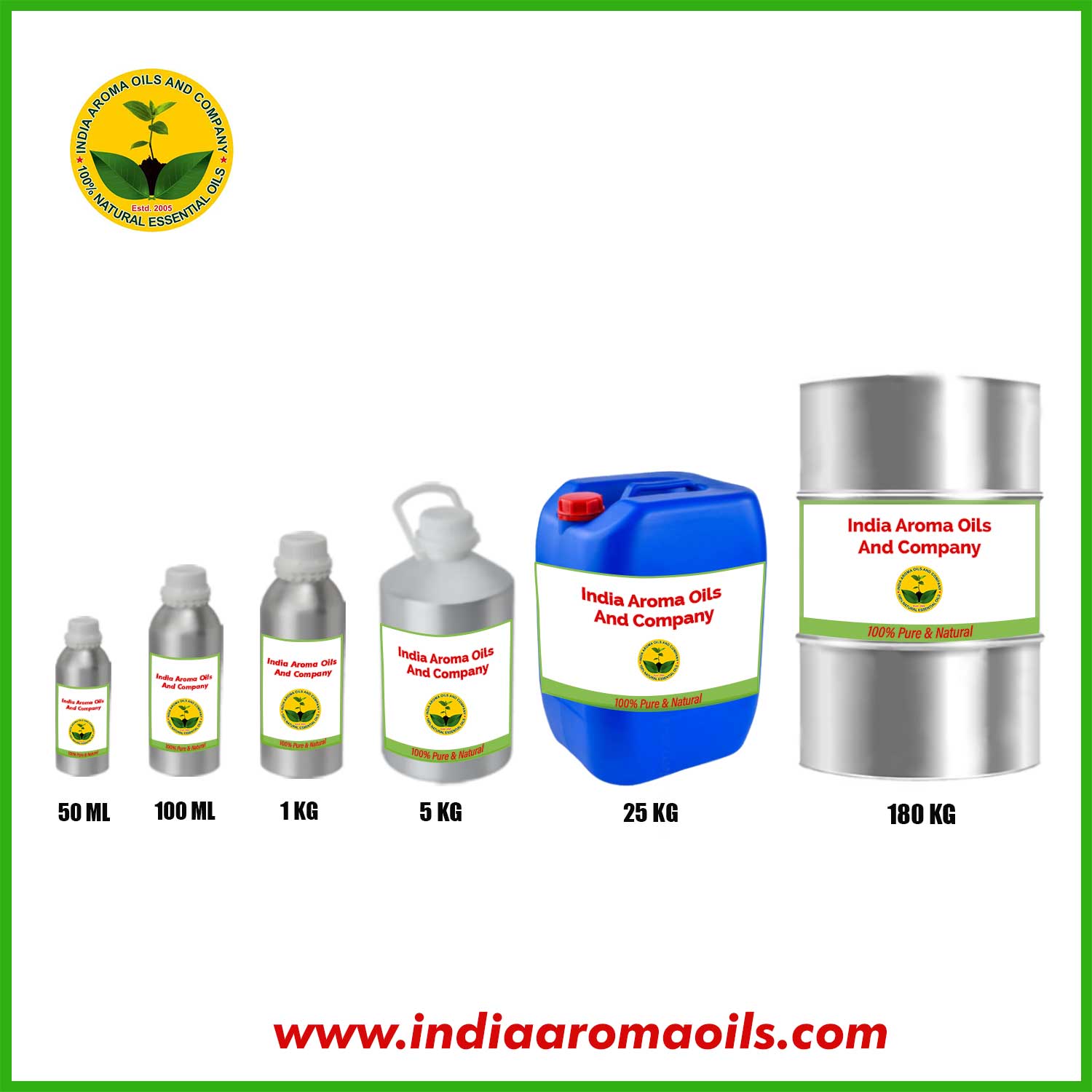
To preserve effectiveness and longevity, store this oil in a cool, dry place, shielded from direct sunlight. The robust, sealed packaging protects against contamination and oxidation, ensuring product integrity. Follow these instructions to benefit from its shelf life of up to 24 months.
FAQs of Bitter Gourd(karela) Seed Oil:
Q: How is Bitter Gourd (Karela) Seed Oil produced?
A: This oil is extracted via the cold-pressed method from carefully selected Bitter Gourd (Momordica charantia) seeds. The process avoids high temperatures and additives, preserving both the nutrient profile and the oils characteristic bitter aroma. The result is a light to dark yellow liquid that retains optimal purity and potency.
Q: What are the primary uses of Bitter Gourd Seed Oil?
A: Bitter Gourd Seed Oil is primarily used in cosmetic and medicinal applications. Popular for its nourishing and restorative properties, its suitable for skin and hair care routines, and forms a key ingredient in various herbal remedies. Its non-GMO, allergen-free profile makes it suitable for most adults.
Q: When should I apply Bitter Gourd Seed Oil for best results?
A: For cosmetic use, apply Bitter Gourd Seed Oil after cleansing your skin, or massage a few drops into your scalp as needed. It can be used daily or as directed by a healthcare professional for specific medicinal applications. Regular use often enhances visible results.
Q: Where should I store my bottle of Bitter Gourd Seed Oil?
A: Keep the sealed bottle in a cool, dry place, away from direct sunlight. Proper storage is essential to maintain the oils purity and effectiveness throughout its 24-month shelf life.
Q: What benefits does Bitter Gourd Seed Oil offer?
A: This oil is rich in bioactive compounds that can help maintain healthy skin and scalp. Its cold-pressed extraction preserves antioxidants and essential fatty acids, supporting restoration and nourishment in cosmetic and wellness routines.
Q: Is Bitter Gourd Seed Oil safe for individuals with allergies?
A: Yes, our Bitter Gourd Seed Oil is allergen-free and suitable for most users. However, if you have highly sensitive skin or known allergies to plant oils, its advisable to conduct a patch test before full application.
Q: Can I order a small quantity for trial?
A: Absolutely. The minimum order quantity is one bottle (100 ml), making it easy for you to try out the oils benefits before committing to a larger purchase.