






Description
DESCRIPTION:
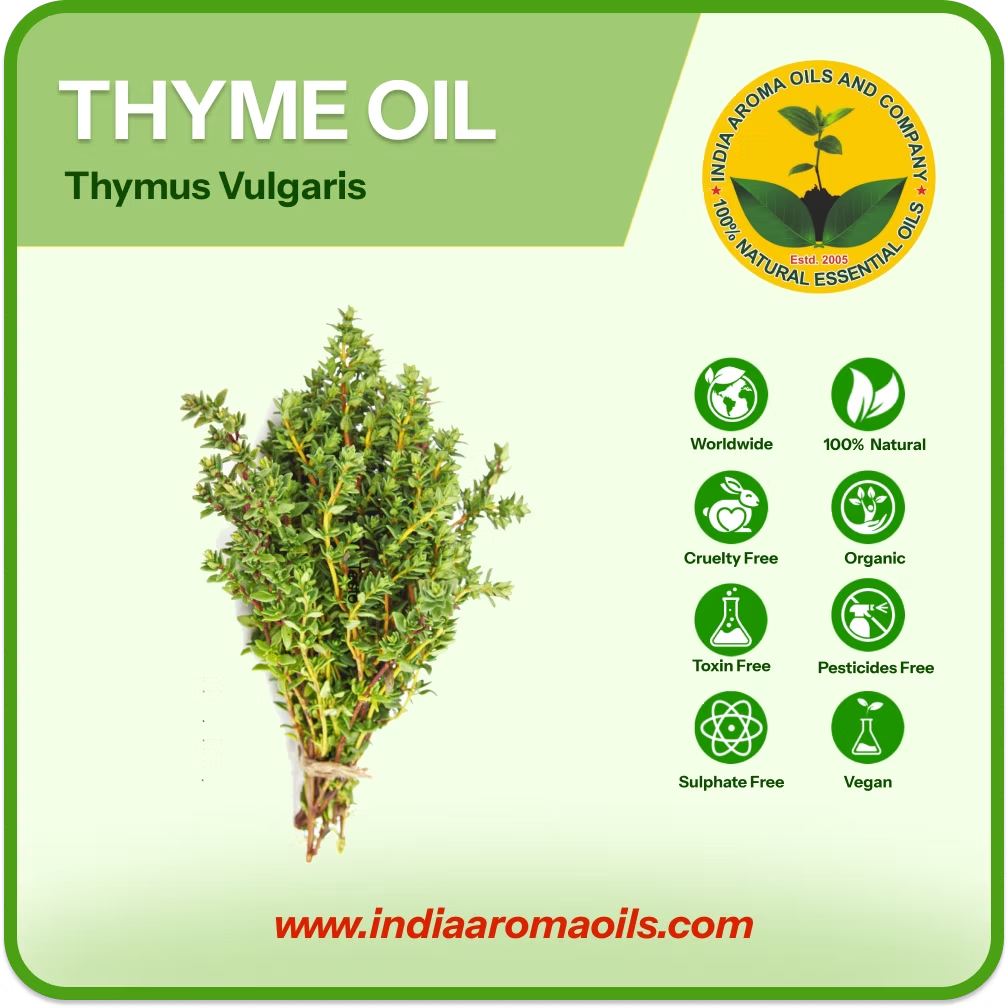
DFree from impurities, Thyme Oil is obtained from thyme shrub. Known for its mesmerizing aroma, this oil was popular among locals of Rome, Egypt and Greece in ancient era. In Greece, this perennial evergreen herb extracted oil was used to produce incenses for religious rituals and in Egypt, this oil was utilized to formulate balms.
CONSTITUENTS:
Thymol, p-cymene, carvacrol, gamma terpinene, Alpha-Pinene, Beta-Pinene
AROMATIC SUMMARY / NOTE / STRENGTH OF AROMA:
Top note powerful smell of this oil reminds about herbal and woody aroma which is warm and pungent as well.
BLENDS WITH:
Thyme oil is compatible with the oils of Lemon, Grapefruit, Pine, Rosemary, Bergamot and Lavender.
COMMON NAMES:
Thyme Essential Oil is popularly referred as Thymus vulgaris oil.
USES:
Thyme Oil of thyme herb has revitalizing effect on our nervous system. Apart from boosting concentration and memory power, this oil helps to cope up with depression and stress. Its medicinal properties are effective in treating asthma, coughs including whooping cough, tonsillitis, sore throat condition, catarrh, laryngitis, cold and sinusitis.
Versatile Natural Remedy
Thyme Oil is valued both for its potent herbal aroma and its wide spectrum of uses. As a 100% pure and undiluted extract, it offers therapeutic benefitswhether diffused for relaxation, added to personal care formulations, or used as a natural flavoring in cooking. Its therapeutic grade ensures efficacy in holistic wellness routines.
Quality Sourcing and Processing
Sourced from premium Thymus vulgaris leaves, Thyme Oil undergoes steam distillation to preserve its natural constituents. The manufacturing process maintains the potent blend of thymol, carvacrol, and other key components, ensuring an oil suitable for pharmaceutical and aromatherapy purposes. Each batch undergoes stringent quality controls.
FAQs of Thyme Oil:
Q: How is Thyme Oil extracted and what are its main chemical components?
A: Thyme Oil is extracted from the leaves of Thymus vulgaris using steam distillation. Its main constituents include thymol, carvacrol, p-cymene, and linalool, which contribute to its therapeutic and aromatic properties.
Q: What are the recommended uses for Thyme Oil?
A: Thyme Oil can be used in aromatherapy to promote relaxation, as an ingredient in personal care products, for culinary flavoring, and in pharmaceutical formulations. Its herbal and spicy aroma is highly prized in both wellness and culinary contexts.
Q: When should I replace my Thyme Oil to ensure potency?
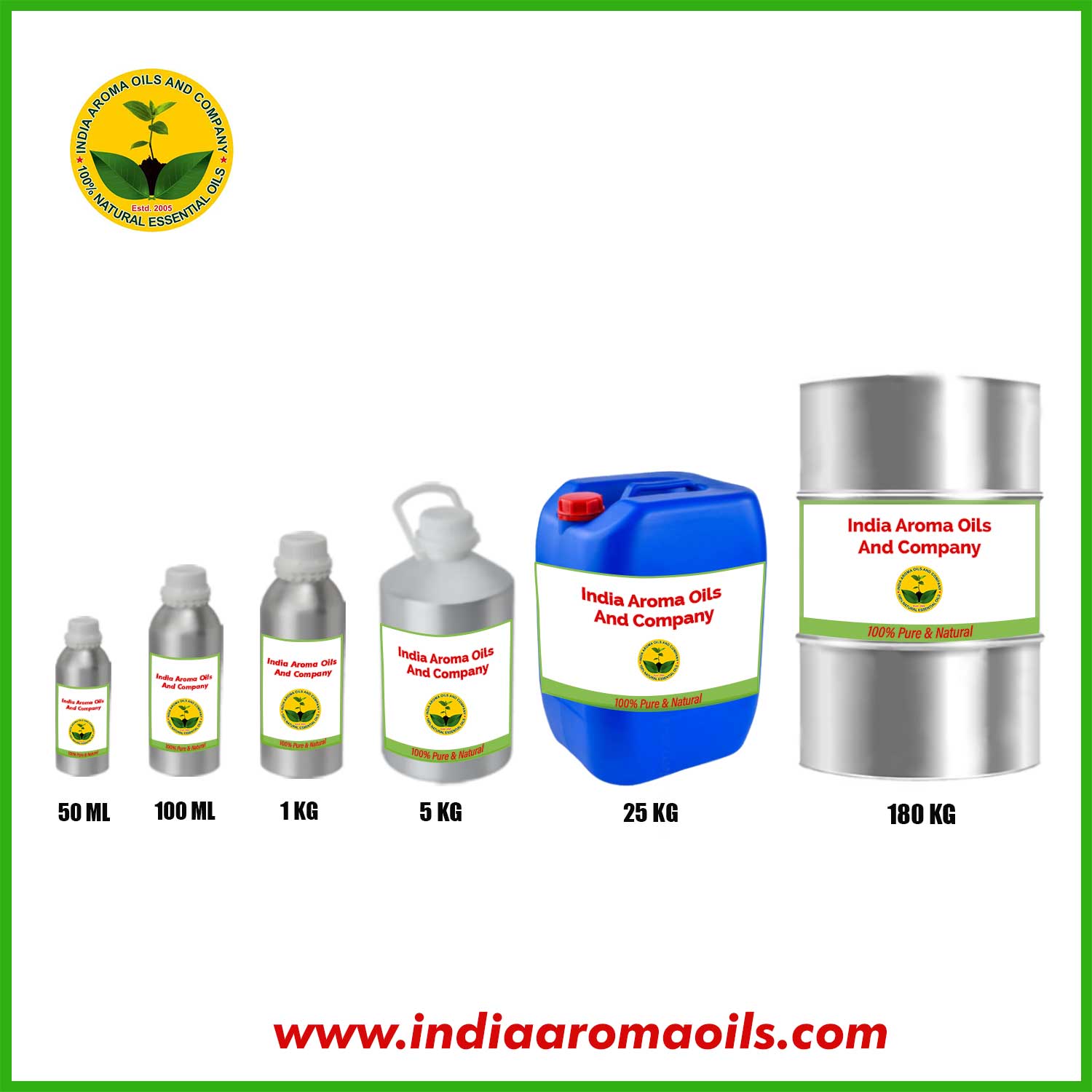
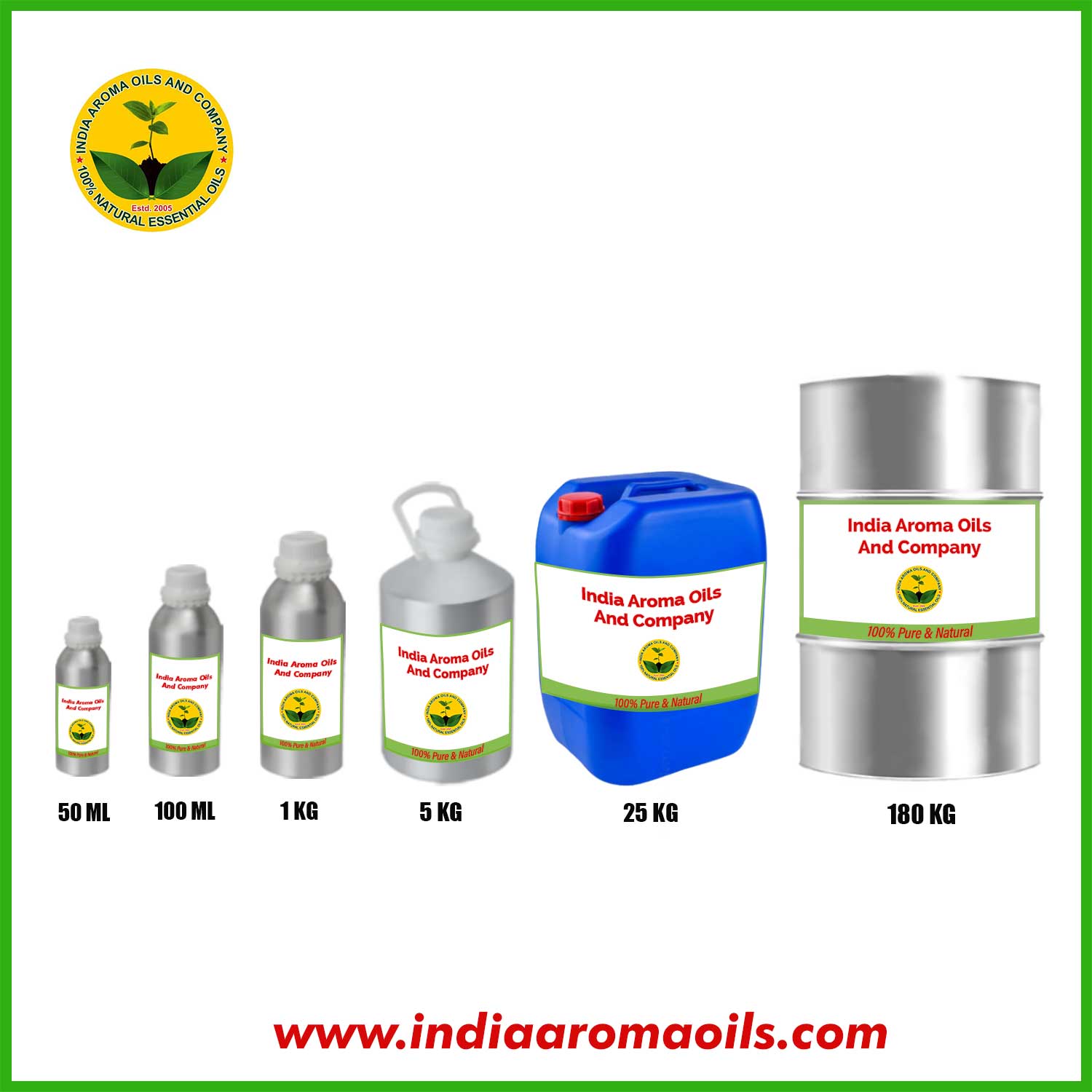
A: For optimal results, use Thyme Oil within its two-year shelf life. Always store it in a sealed bottle or drum in a cool, dry place away from direct sunlight to preserve its efficacy and aroma.
Q: Where should Thyme Oil be stored to maintain its quality?
A: Store the oil in a cool, dry environment, shielded from direct sunlight. Proper storage in sealed bottles or drums preserves its purity and characteristic scent.
Q: What is the process for using Thyme Oil in aromatherapy and personal care?
A: Dilute Thyme Oil with a suitable carrier oil before topical application or use a few drops in a diffuser for aromatherapy. It is insoluble in water but blends well with oils and alcohol, making it versatile for various formulations.
Q: What are the key benefits of using Thyme Oil?
A: Thyme Oil offers natural antibacterial and antioxidant properties, making it beneficial for respiratory support, skin care, and promoting overall well-being. Its rich, herbal aroma also enhances mood when diffused.