






Description
DESCRIPTION:
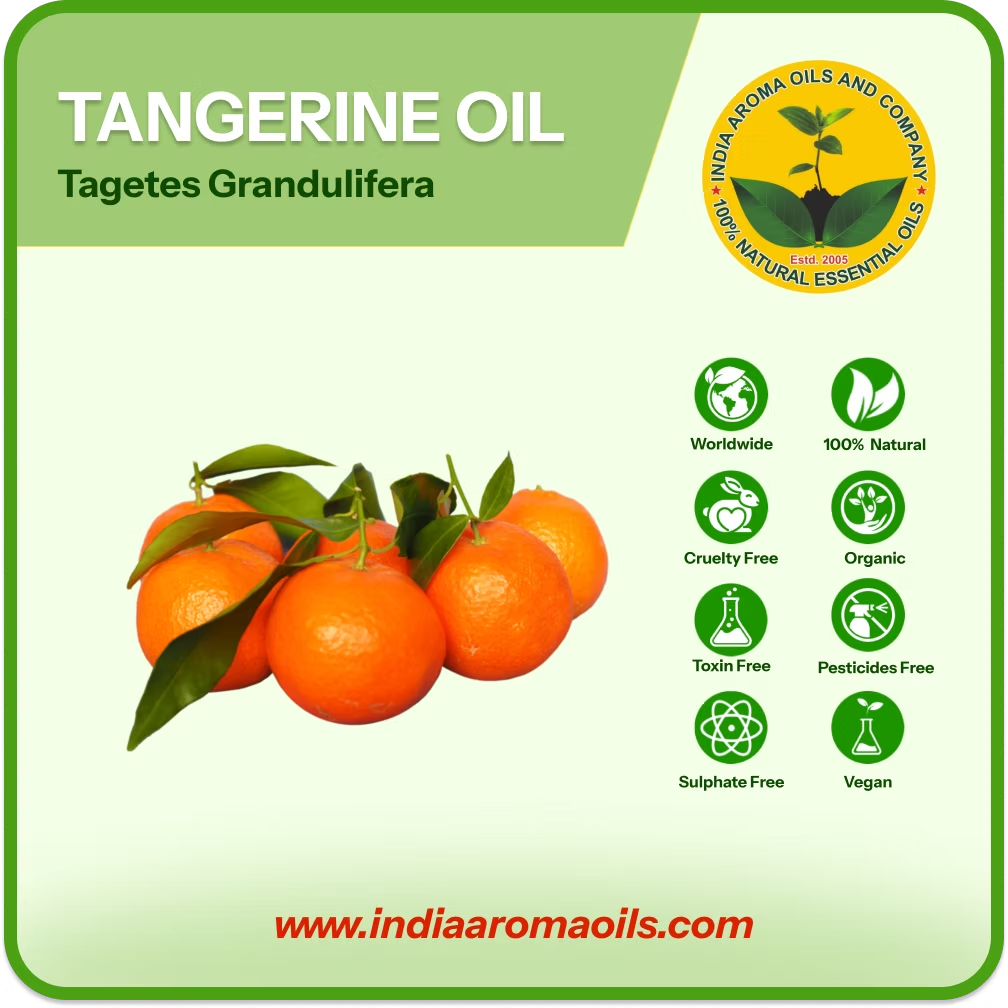
Citrus reticulate tree that belongs to Rutaceae species, is the source of Tangerine Oil. This high density oil is reckoned for its pure content and high therapeutic value.
CONSTITUENTS:
This aromatic oil contains compounds like citronellal, camphene, a-thujone, terpineol-4-ol, linalool, a-pinene, y-terpinolene, limonene, geranial, sabinene, nerol, myrcene and b-pinene.
AROMATIC SUMMARY / NOTE / STRENGTH OF AROMA:
The middle note aroma of this oil is to some extent strong and sour, pleasant and refreshing. This oil has slight resemblance to mandarin oil in terms of its fragrance.
BLENDS WITH:
Tangerine Oil can be mixed with essential oils of clary sage, bergamot, neroli, frankincense, nutmeg, cinnamon, lavender and clove.
COMMON NAMES:
Tangerine Essential Oil is commonly referred as true mandarin, tangerine, European mandarin and naartjie oil.
USES:
Tangerine Oil has soothing effects on nerve. This oil has wide application in pharmaceutical arena for its digestion enhancing attributes. Known for its beneficial effect on skin, this oil is effective in reducing stretch marks and in preventing fluid retention rate of human body.
Versatile Aromatic Applications
Tangerine Oil is widely employed in aromatherapy, perfumery, cosmetics, and flavoring due to its rejuvenating citrus scent and natural composition. Its uplifting aroma can enhance relaxation and well-being, making it a favored choice for personal care and therapeutic blends.
Quality and Purity Assurance
CItrus Reticulata (Tangerine) Oil is produced using cold-pressed extraction, ensuring the preservation of its beneficial volatile components. With GC/MS testing, consumers receive a product that is 100% natural, therapeutic grade, and free from additivesmeeting the highest purity standards.
FAQs of Tangerine Oil:
Q: How should Tangerine Oil be stored for optimal shelf life?
A: Store Tangerine Oil in a cool and dry place, away from direct sunlight, to maintain its quality and ensure its shelf life lasts up to 2 years.
Q: What are the main applications of Tangerine Oil?
A: This oil is primarily used in aromatherapy, perfumery, flavoring, and cosmetics due to its fresh, sweet citrus scent and natural therapeutic properties.
Q: When is Tangerine Oil GC/MS tested?
A: Every batch of Tangerine Oil undergoes GC/MS testing during production to verify its composition and guarantee purity before packaging.
Q: Where is Tangerine Oil sourced and manufactured?
A: This Tangerine Oil is sourced from India and manufactured by reliable producers, ensuring quality from origin to packaging.
Q: What is the process of extracting Tangerine Oil?
A: Tangerine Oil is extracted from Citrus Reticulata fruit via a cold-pressed method, which helps retain the oils natural aroma and beneficial compounds.
Q: How can Tangerine Oil benefit users in daily practices?
A: When used in aromatherapy or cosmetics, Tangerine Oil can uplift mood, promote relaxation, and provide a fresh, invigorating scent to personal care formulations.