






Description
DESCRIPTION:
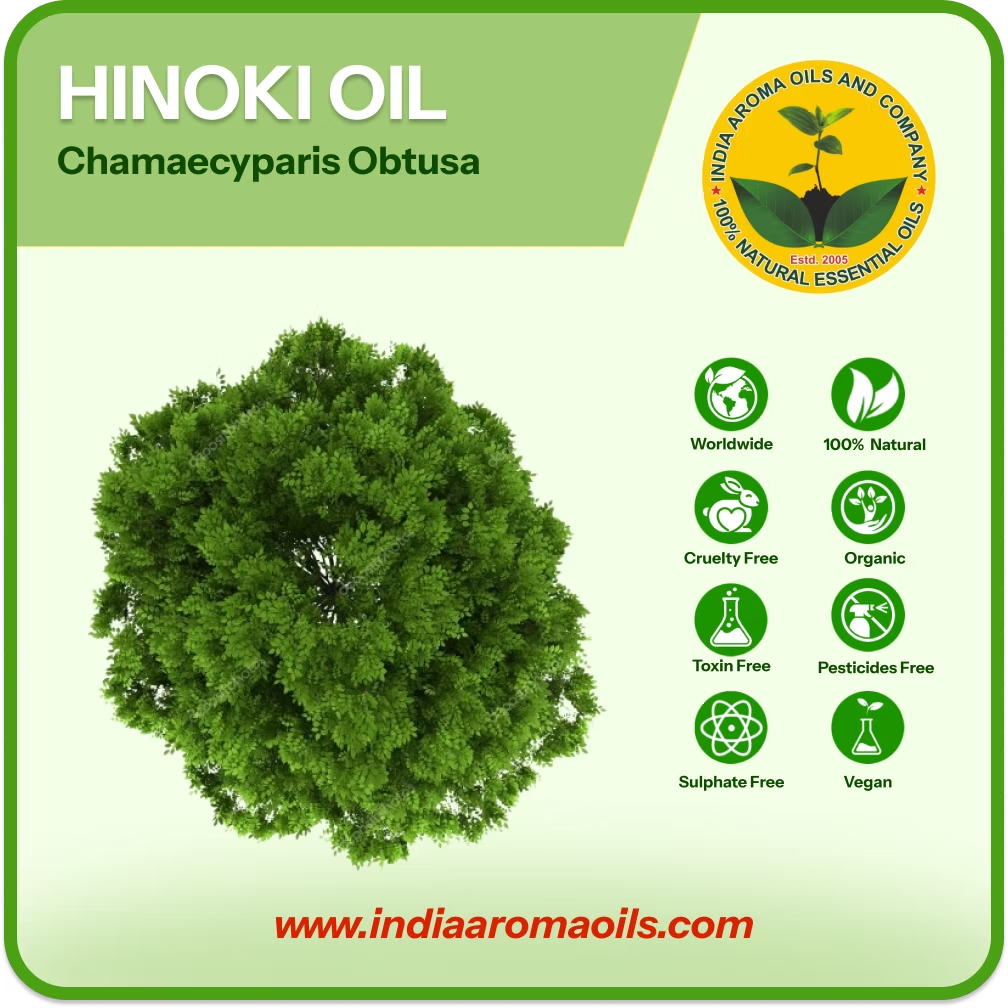
Hinoki essential oil is made from the wood, not the leaves of this highly revered tree. This oil is grown for its very high quality timber in Japan. This oil has appeared only recently in aromatherapy collections, very few scientific papers may be found.
CONSTITUENTS:
alpha-Pinene, delta-Cadinene, alpha-Cadinol, gamma-Cadinene, alpha-Muurolene, Limonene, Myrcene,
AROMATIC SUMMARY / NOTE / STRENGTH OF AROMA:
A Dry, fine woody, light terpenic odor with soft herbal.
BLENDS WITH:
Lavender, Citronella, Grapefruit, Lemon, Orange, Peppermint, Rosemary, and Rose.
COMMON NAMES:
Hinoki wood oil
USES:
It is also used in traditional Japanese stick incense for its light, earthy aroma.
Also used in Aromatherapy / Natural perfumery.
Natural Botanical Purity
Sourced from pure Hinoki wood, this oil preserves the integrity of Chamaecyparis obtusas natural properties. Processed through refined steam distillation, it retains a high purity level (100%) with no synthetic additives, ensuring a safe and authentic botanical experience with every use.
Aromatherapy and Wellness
Renowned in aromatherapy, Hinoki Oils woody-citrus scent is both calming and uplifting. Its unique blend of natural constituents, such as alpha-pinene and limonene, helps reduce stress and promote relaxation. The oil also boasts natural antibacterial qualities, making it ideal for improving air freshness and hygiene.
Versatile Everyday Applications
Hinoki Oil seamlessly blends into daily rituals. Add a few drops to diffusers for air purification or aromatherapy benefits. Its also valued in skincare routines (when diluted properly), offering a soothing touch to the skin. The natural formula is safe for adult use, provided storage and usage guidelines are followed.
FAQs of Hinoki Oil:
Q: How is Hinoki Oil usually applied for aromatherapy?
A: Hinoki Oil is most commonly used by adding a few drops to a diffuser or humidifier, which releases its woody, fresh aroma into the air. This method enhances relaxation and creates a pleasant atmosphere in any living or working space.
Q: What makes Hinoki Oil beneficial for skin care routines?
A: Hinoki Oils antibacterial and calming properties can help soothe irritated skin and reduce the presence of unwanted microbes. Always dilute the oil with a carrier before applying to the skin to ensure safe and gentle absorption.
Q: Can Hinoki Oil be used for air purification, and if so, how?
A: Yes, Hinoki Oils antibacterial constituents make it excellent for air purification. Add a few drops to a diffuser or mix with water in a spray bottle and mist around your space to create a fresh, clean environment.
Q: What is the recommended storage process for Hinoki Oil to ensure longevity?
A: Store the oil in its tightly sealed glass bottle, placed in a cool, dry area away from direct sunlight. This maintains the oils therapeutic qualities and extends its shelf life up to 2 years.
Q: When should Hinoki Oil be used for optimal benefits?
A: Hinoki Oil is suitable for daily use, especially in the evenings for relaxation or whenever you desire a freshening, tranquil environment. In skincare, use as needed, ensuring proper dilution and patch testing before regular application.
Q: Where does the Hinoki Oil originate and who can use it?
A: This Hinoki Oil is manufactured and supplied in India and is intended for adult users of any gender seeking natural, therapeutic benefits.